Precast Light Pole Base: A Strong and Reliable Foundation for Modern Lighting
When you install a light pole, you must build a strong foundation first. A light pole stands tall and faces wind, rain, heat, and sometimes even vehicle impact. If the base is weak, the pole can tilt, crack, or fall. That is why engineers and contractors use a precast light pole base for many lighting projects.
A precast light pole base gives strength, stability, and fast installation. It helps contractors complete projects quickly while maintaining high quality. In this blog, you will learn what a precast light pole base is, how it works, its benefits, installation steps, design considerations, and why many builders choose it today. We will explain everything in easy and simple English.
What Is a Precast Light Pole Base?
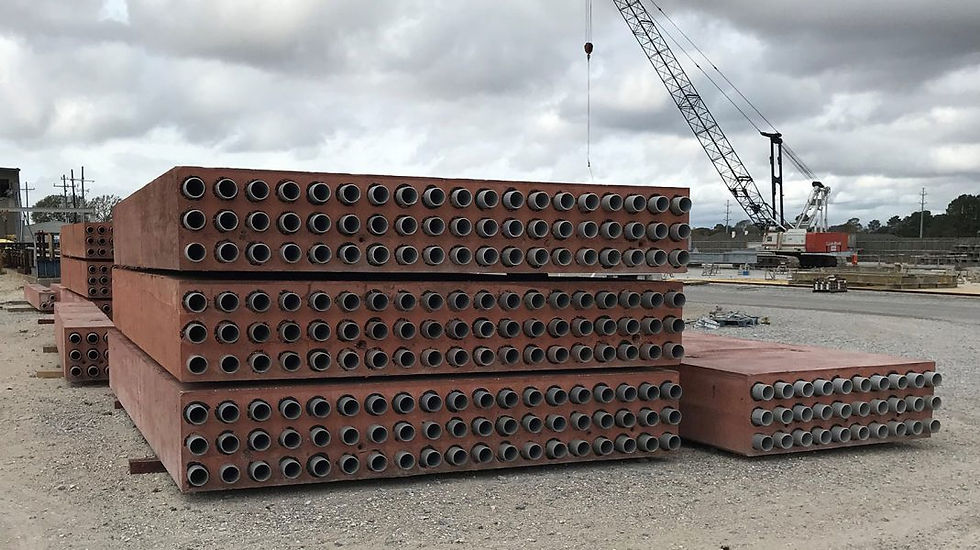
A precast light pole base is a factory-made concrete foundation that supports a light pole. Manufacturers produce the base in a controlled factory environment. They use strong concrete and steel reinforcement to create a durable structure. After the concrete cures and passes inspection, they deliver the finished unit to the construction site.
Unlike traditional foundations, workers do not pour this base on-site. Instead, they place the ready-made unit into a prepared hole in the ground. This method saves time and reduces on-site work.
The precast light pole base usually includes anchor bolts that secure the pole. It also includes openings for electrical conduits so electricians can connect wiring safely and neatly.
Why Contractors Choose a Precast Light Pole Base
Contractors choose a precast light pole base for many practical reasons. It offers speed, quality, and long-term durability.
Faster Installation
Workers do not need to build formwork, place rebar, and wait for concrete to cure on-site. The base arrives ready to install. Crews excavate the hole, prepare the bottom surface, and lower the unit into place. This process saves several days compared to cast-in-place concrete.
Better Quality Control
Manufacturers produce each precast light pole base in a controlled environment. They carefully measure concrete mix proportions and reinforcement placement. They cure the concrete under proper conditions. This controlled process creates a strong and consistent product.
Reduced Labor Costs
Since workers do not need to pour and finish concrete at the job site, contractors use fewer labor hours. This reduces overall project costs.
Less Weather Delay
Rain, extreme heat, or cold weather can delay poured concrete work. A precast light pole base avoids this issue because it cures in the factory before delivery. Crews can install it in many weather conditions.
Long-Term Durability
Precast concrete resists moisture, freeze-thaw cycles, and corrosion. When engineers design it properly, a precast light pole base can last for decades with very little maintenance.
How a Precast Light Pole Base Works
A precast light pole base supports the vertical load of the pole and the horizontal load from wind. Wind pushes against the pole and creates bending forces at the base. The foundation must resist these forces to keep the pole upright.
The concrete base spreads the load over a larger area of soil. This reduces soil pressure and prevents settlement. The steel reinforcement inside the base adds strength and prevents cracking.
Anchor bolts embedded in the concrete hold the pole securely. Electricians run cables through built-in conduit openings to connect the lighting system.
Common Applications
You can see a precast light pole base in many locations. It supports lighting systems in different types of projects.
Street Lighting
Cities install streetlights along highways, roads, and intersections. These poles must withstand strong winds and constant exposure to weather. A precast light pole base provides the strength required for public safety.
Parking Lots
Shopping centers, schools, hospitals, and office buildings use parking lot lights. Contractors prefer precast bases because they can install them quickly and reduce traffic disruption.
Sports Fields and Stadiums
Sports facilities use tall poles with heavy lighting equipment. Engineers design larger precast light pole bases to support these loads safely.
Commercial Developments
Developers use decorative poles in plazas and business parks. Precast foundations provide a clean and professional solution.
Industrial Areas
Factories and warehouses require reliable outdoor lighting. A precast light pole base performs well in heavy-duty environments.
Installation Process of a Precast Light Pole Base
Workers follow clear steps to install a precast light pole base properly.
Planning and Layout
Engineers mark the exact location of each light pole. They check spacing and alignment based on the lighting design plan.
Excavation
Workers dig a hole according to the required depth and width. The size depends on soil conditions and pole height.
Base Preparation
They level and compact the bottom of the hole. Sometimes they add a layer of gravel to improve drainage and stability.
Placement of the Precast Unit
Using a crane or lifting equipment, workers lower the precast light pole base into the hole. They check alignment and ensure the base sits level.
Electrical Conduit Installation
Electricians run conduits and wiring through the built-in openings. They connect cables according to electrical codes.
Backfilling
Workers fill soil around the base and compact it carefully. Proper compaction prevents settlement.
Pole Installation
After securing the base, workers place the light pole on the anchor bolts and tighten the nuts. They test alignment before final tightening.
This simple and organized process allows crews to complete installations quickly and safely.
Design Considerations
Engineers must consider several factors when designing a precast light pole base.
Wind Loads
Wind creates strong pressure on tall poles. Engineers calculate wind speed based on local building codes. They design the base to resist bending and overturning forces.
Soil Bearing Capacity
The soil must support the weight and loads safely. Engineers test the soil to determine the correct base size and depth.
Pole Height and Weight
Taller poles require stronger and larger foundations. Engineers adjust dimensions and reinforcement accordingly.
Electrical Requirements
Designers include proper conduit openings for wiring. They also provide grounding provisions to ensure safety.
Local Regulations
All designs must follow local construction and electrical standards. This ensures safety and compliance.
Advantages Over Cast-in-Place Foundations
Traditional foundations require workers to build formwork, place rebar, pour concrete, and wait for curing. This process takes time and increases labor costs.
A precast light pole base eliminates many of these steps. It offers:
Faster construction
Cleaner job sites
Consistent quality
Fewer delays
Immediate readiness for pole installation
For many projects, these benefits make precast systems the preferred choice.
Maintenance and Inspection
A precast light pole base requires very little maintenance. However, regular inspections help maintain safety and performance.
Inspectors should check:
Tightness of anchor bolts
Condition of concrete surface
Signs of cracking
Soil erosion around the base
Electrical connections
If crews detect small issues early, they can fix them before they become major problems.
Safety Benefits
Safety is very important in construction. A precast light pole base improves safety in several ways.
It reduces on-site concrete work.
It minimizes worker exposure to wet concrete.
It shortens installation time in high-traffic areas.
It lowers the risk of construction errors.
Quick installation is especially important for roadside projects where workers face traffic risks.
Environmental Benefits
Precast production helps reduce material waste. Factories reuse molds and manage materials efficiently. Controlled production reduces excess concrete waste compared to on-site pouring.
Faster installation also reduces equipment usage time, which lowers fuel consumption and emissions.
Cost Benefits
Although the initial price of a precast light pole base may seem higher than on-site pouring, it often saves money overall. Contractors save labor costs and avoid weather delays. Faster project completion reduces overhead expenses.
When developers calculate total project cost, precast systems often provide better value.
Choosing the Right Supplier
You should choose a trusted manufacturer when buying a precast light pole base. Look for:
Experience in precast production
Quality control systems
Custom design options
Compliance with industry standards
Positive customer feedback
A reliable supplier ensures you receive a strong and properly designed product.
Conclusion
A precast light pole base provides a strong, durable, and efficient foundation for lighting systems. It supports light poles safely, resists wind forces, and simplifies installation. Contractors choose it because it saves time, reduces labor, and ensures consistent quality.
Whether you install streetlights, parking lot lights, sports field lighting, or decorative poles, a precast light pole base offers long-term reliability. With proper design, quality materials, and careful installation, it can perform well for many years.


Comments