Duct Bank System: Essential for Safe and Efficient Infrastructure
In today’s rapidly developing urban environments, managing utilities and communication networks is crucial. One of the most important components of these systems is the duct bank. A duct bank system plays a key role in providing safe, organized, and efficient pathways for cables, ensuring they are protected from external factors and easy to maintain. These systems are used in a wide range of infrastructure projects, from power distribution networks to telecommunications systems. In this blog, we will explain what a duct bank system is, how it works, its advantages, and why it’s so important in construction and utility projects.
What is a Duct Bank System?
A duct bank system is a structure used to protect and organize cables that are installed underground. It consists of a series of ducts or pipes that house electrical cables, telecommunications lines, or fiber optic cables. These conduits are typically placed in a concrete trench, creating a protective barrier around the cables. The duct bank ensures that cables are protected from damage, moisture, and harsh environmental conditions, which can otherwise lead to costly repairs or failures.
The main function of a duct bank is to keep cables secure and organized. By grouping multiple cables together in one location, it makes future maintenance, repairs, or upgrades much easier and more efficient. Duct banks are designed to handle a variety of cables, including high-voltage electrical wires, communication cables, and fiber optic cables, making them a critical part of modern infrastructure.
How Does a Duct Bank System Work?
The duct bank system is built to provide a reliable and organized way to store and protect cables. Here’s a step-by-step breakdown of how it works:
Planning the Layout Before the duct bank system is installed, engineers and contractors plan the layout carefully. This layout takes into account the number of cables that need to be housed, their size, and the environment in which the system will be installed. The type of ducts used (PVC, concrete, fiberglass, or plastic) is chosen based on factors like the type of cables, the soil conditions, and the expected load on the system.
Excavating the Trench Once the layout is planned, the construction crew excavates a trench along the designated path where the duct bank system will go. The trench must be deep enough to accommodate the ducts and ensure that the system is buried safely below the surface. The depth and width of the trench will vary depending on the type and number of ducts being installed.
Installing the Ducts The next step involves laying the ducts or conduits inside the trench. These conduits are typically made of durable materials like PVC or fiberglass, which are resistant to corrosion and physical damage. The conduits are arranged in a way that allows easy access to each one, making it possible to add, remove, or replace cables in the future.
Pouring Concrete Once the conduits are in place, they are encased in concrete. The concrete serves multiple purposes: it provides structural support, protects the ducts from damage, and helps prevent water from infiltrating the system. Concrete also provides thermal insulation, ensuring that the cables remain at a safe temperature, even in extreme weather conditions.
Installing the Cables After the concrete has cured, cables are pulled through the ducts. Each duct is typically designed to house a specific type of cable, such as power lines, telecommunication wires, or fiber optic cables. The duct bank system is designed with enough space to allow for future expansion, so additional cables can be added as the infrastructure grows.
Adding Access Points Access points like pull boxes or manholes are installed at regular intervals along the duct bank system. These access points allow workers to easily reach the cables for maintenance or upgrades without having to dig up the entire system. Pull boxes also make it easier to replace or add new cables in the future.
Backfilling the Trench Once everything is in place, the trench is backfilled with soil, and the area is restored to its original condition. The duct bank system is now fully installed and ready to protect the cables underground.
Types of Duct Bank Systems
There are several types of duct bank systems, and each one serves a specific purpose depending on the requirements of the project. Some of the most common types include:
Concrete Duct Bank Systems Concrete duct banks are the most commonly used type. They consist of ducts (typically made from PVC or fiberglass) encased in concrete. The concrete provides strong protection against physical damage, moisture, and other environmental hazards. Concrete duct banks are highly durable and are ideal for locations with high traffic or harsh conditions.
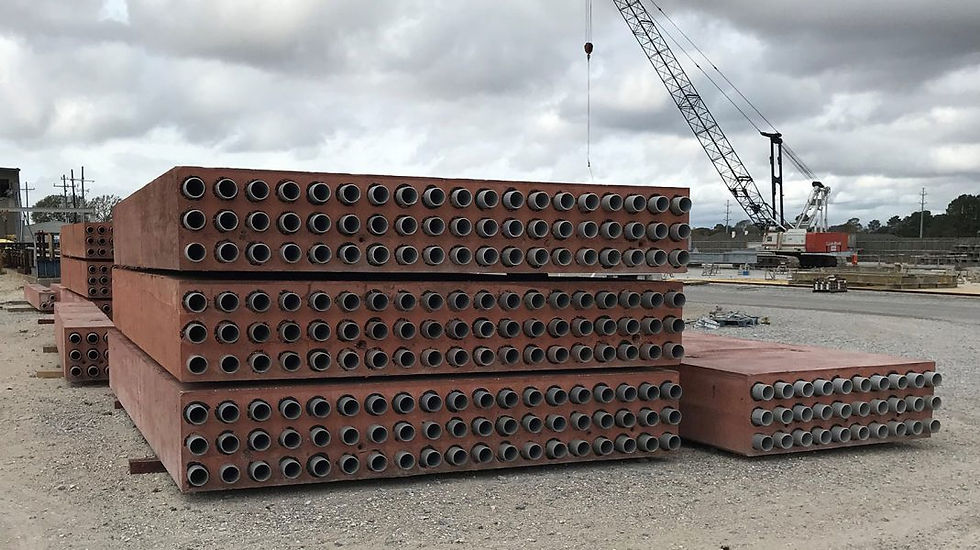
Precast Concrete Duct Bank Systems Precast concrete duct banks are made from pre-manufactured concrete sections that are delivered to the job site ready for installation. Precast systems are quicker to install than traditional cast-in-place concrete systems and are often used in projects with tight schedules.
Plastic Duct Bank Systems In some cases, duct banks are made from plastic materials like high-density polyethylene (HDPE). Plastic duct banks are lightweight, easy to install, and resistant to corrosion, making them ideal for areas with less risk of physical damage or extreme environmental conditions. They are also more flexible and can be used in areas where digging is difficult or expensive.
Trenchless Duct Bank Systems Trenchless technology allows duct banks to be installed without disturbing the surface. This method uses techniques like horizontal directional drilling (HDD) to install the duct bank system without the need for extensive digging. Trenchless systems are often used in urban areas where excavation could disrupt traffic or business operations.
Modular Duct Bank Systems Modular duct bank systems are flexible and customizable. They allow for easy modifications and expansions, making them ideal for projects that require future upgrades or adjustments. This type of system is especially useful for telecommunications or fiber optic networks, which often require frequent upgrades as technology evolves.
Advantages of Using a Duct Bank System
Duct bank systems offer several key benefits that make them a preferred choice for underground cable installation:
Protection from Physical Damage The primary advantage of a duct bank system is the protection it provides to cables. Underground cables are vulnerable to damage from digging, soil erosion, and other environmental factors. By encasing the cables in durable conduits and concrete, duct banks prevent physical damage that could result in costly repairs or downtime.
Organized and Efficient Cable Management Duct banks help organize cables in a neat and manageable way. With multiple cables housed in individual ducts, it’s easy to identify and access the right cable for repairs or upgrades. This organization makes maintenance much more efficient, reducing the time and cost required to fix issues when they arise.
Flexibility for Future Expansion Duct bank systems are designed to be flexible. They can accommodate additional cables, allowing for future expansion of power, telecommunication, or fiber optic networks. This flexibility makes duct banks an ideal solution for growing infrastructure needs, as new cables can be added without disrupting the existing system.
Improved Safety Duct bank systems help improve safety by reducing the risk of accidental cable damage. With cables safely housed in ducts, there’s less chance of cables being cut or exposed to hazards like moisture or extreme temperatures. This helps prevent electrical failures, fires, or other accidents caused by damaged cables.
Cost Savings While the initial installation of a duct bank system can be expensive, the long-term savings make it a cost-effective choice. By reducing the need for frequent repairs, minimizing downtime, and making future upgrades easier, duct bank systems provide significant cost savings over time.
Environmental Protection Duct banks help protect cables from environmental hazards such as moisture, soil chemicals, and temperature extremes. The concrete encasement also prevents water from seeping into the system, which could cause short circuits or cable degradation.
Applications of Duct Bank Systems
Duct bank systems are used in a wide variety of infrastructure projects, including:
Power Distribution: Duct banks are commonly used to house electrical cables that provide power to homes, businesses, and industrial facilities. The system ensures that the cables are protected from damage and remain functional for many years.
Telecommunication Networks: Duct banks are used to house the cables that carry telephone, internet, and television signals. These systems are essential for keeping communication networks reliable and safe from damage.
Fiber Optic Networks: With the growing demand for high-speed internet, fiber optic cables are increasingly being installed in duct bank systems. These cables require protection to ensure they continue to provide fast and reliable service.
Transportation Infrastructure: Duct banks are used in transportation projects to house cables for street lighting, traffic management systems, and other utilities needed for roadways and highways.
Conclusion
Duct bank systems are a critical component in modern infrastructure, providing protection, organization, and efficiency for underground cables. Whether for power distribution, telecommunications, or fiber optic networks, duct banks help ensure that cables are safe, easy to manage, and ready for future upgrades. By using duct bank systems, contractors can ensure the long-term success and reliability of their utility networks while saving time, money, and effort in the process. If you’re involved in an infrastructure project, whether small or large, considering the use of a duct bank system is an investment in both the present and the future.


Comments