Electrical Pull Box: A Complete Guide for Safe and Organized Electrical Systems
Electrical systems are a critical part of modern life. Homes, offices, factories, roads, and cities all depend on electricity to function properly. Behind the scenes, many components work together to deliver safe and reliable power. One very important but often overlooked component is the electrical pull box. Even though it may seem simple, an electrical pull box plays a big role in protecting cables, improving safety, and making electrical systems easy to install and maintain.
In this detailed blog, we will explain what an electrical pull box is, how it works, why it is important, its types, benefits, uses, installation basics, and long-term advantages. This blog is written in active voice using easy and simple English words to help everyone understand the topic clearly.
What Is an Electrical Pull Box?
An electrical pull box is a protective enclosure used in electrical conduit systems. Electricians use it as an access point to pull, route, and manage electrical wires and cables. Pull boxes are usually installed where conduit runs are long, straight, or have bends and turns.
The main purpose of an electrical pull box is to make wire pulling easier and safer. When wires travel long distances through conduits, pulling them without breaks can damage the wires. A pull box provides a stopping point where electricians can safely guide the wires and reduce stress on them.
Electrical pull boxes can be installed above ground, inside buildings, or underground. They come in different sizes and materials depending on the project needs.

How Does an Electrical Pull Box Work?
An electrical pull box works as part of a conduit system. It allows electricians to safely manage cables during installation and maintenance. Here is how it works step by step:
1. Supports Wire Pulling
Electricians install pull boxes along long conduit runs. Instead of pulling wires through one long pipe, they pull wires in smaller sections. This makes the job easier and prevents wire damage.
2. Reduces Wire Stress
When wires bend or travel long distances, they can experience tension. Too much tension can tear insulation or weaken the wire. Pull boxes reduce this stress by providing a space to guide and adjust the wires.
3. Allows Direction Changes
Conduit systems often change direction, such as turning corners or moving vertically. Pull boxes provide a safe area for these direction changes without bending wires too sharply.
4. Provides Easy Access
If a wire needs repair or replacement, electricians can open the pull box and access the cables. This saves time and avoids digging or breaking walls.
Why Is an Electrical Pull Box Important?
Electrical pull boxes play a very important role in electrical systems. Below are the key reasons why they matter:
1. Improves Electrical Safety
Pull boxes protect wires from physical damage. Properly protected wires reduce the risk of electrical faults, short circuits, and fire hazards.
2. Makes Installation Faster
Pull boxes simplify the wire installation process. Electricians work faster and more efficiently, which reduces labor time and project delays.
3. Helps Follow Electrical Codes
Most electrical codes require pull boxes in long conduit runs or where multiple bends exist. Using pull boxes helps ensure the system meets safety standards.
4. Saves Long-Term Costs
By preventing wire damage and simplifying maintenance, pull boxes reduce repair costs and extend the life of electrical systems.
5. Supports Future Changes
Pull boxes make it easy to add or replace wires in the future. This is very useful for growing buildings and expanding infrastructure.
Common Types of Electrical Pull Boxes
Electrical pull boxes come in different types based on material, size, and location. Below are the most common types:
1. Concrete Electrical Pull Box
Concrete pull boxes are very strong and durable. Contractors often use them in outdoor and underground applications. They can handle heavy loads and harsh conditions, making them ideal for roads, parking lots, and utility projects.
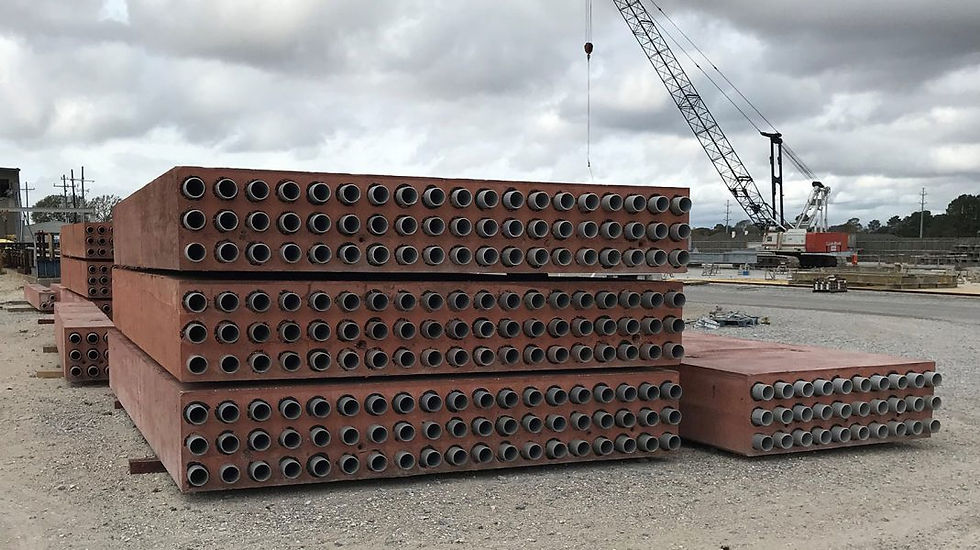
2. Precast Concrete Pull Box
Precast pull boxes are made in a factory and delivered ready to install. They offer consistent quality and faster installation. These boxes are commonly used in large commercial and infrastructure projects.
3. Metal Electrical Pull Box
Metal pull boxes are used in indoor or exposed environments. They provide strong protection and work well in commercial and industrial buildings.
4. Plastic Electrical Pull Box
Plastic pull boxes are lightweight and corrosion-resistant. They are often used in residential and light commercial projects. Plastic boxes are easy to install and work well in moist environments.
5. Underground Electrical Pull Box
Underground pull boxes are installed below ground level. They are usually made of concrete or heavy-duty plastic and are commonly used for street lighting and utility systems.
Where Are Electrical Pull Boxes Used?
Electrical pull boxes are used in many different projects and environments. Some common
applications include:
Residential Projects
Homes use pull boxes for outdoor lighting, garages, and electrical service connections. They help keep wiring organized and safe.
Commercial Buildings
Offices, shopping centers, hospitals, and schools use pull boxes to manage complex electrical systems.
Industrial Facilities
Factories and plants use heavy-duty pull boxes to handle large electrical loads and protect critical wiring.
Utility and Power Distribution
Utility companies use pull boxes for underground power lines and substations. These boxes make maintenance easier and safer.
Street Lighting and Traffic Systems
Pull boxes support streetlights, traffic signals, and roadway electrical systems.
Telecommunications and Data Networks
Pull boxes also help route communication and data cables safely.
Benefits of Using Electrical Pull Boxes
Electrical pull boxes offer many advantages that improve both short-term and long-term project performance:
Protect wires from damage
Improve electrical safety
Make wire installation easier
Reduce labor time
Lower maintenance costs
Support future upgrades
Extend cable life
Improve system organization
These benefits make pull boxes an essential part of any electrical system.
Electrical Pull Box Sizes and Design
Choosing the right size and design of an electrical pull box is very important. The box must provide enough space for wires to bend without damage. If the box is too small, wires can overheat or become damaged.
Design factors include:
Number of cables
Cable size
Conduit size
Location of installation
Environmental conditions
A properly designed pull box ensures smooth wire pulling and long-term performance.
Basic Installation Considerations
Installing an electrical pull box correctly is essential for safety and performance. Below are key installation points:
Correct Placement
Install pull boxes where conduit runs are long or change direction. Proper placement makes wire pulling easier.
Proper Depth and Support
For underground boxes, ensure correct depth and stable support to prevent movement or damage.
Secure Covers
Always use tight-fitting covers to keep out water, dirt, and debris.
Follow Electrical Codes
Follow local and national electrical codes to ensure compliance and safety.
Plan for Access
Make sure the pull box remains accessible for future maintenance.
Electrical Pull Boxes and Long-Term Performance
Electrical systems are long-term investments. Electrical pull boxes help protect this investment by reducing wear and tear on cables. They also simplify future repairs and upgrades, which is very important as buildings and infrastructure grow.
Pull boxes improve reliability by keeping cables organized and protected. They also help prevent unexpected power failures caused by damaged wires.
Environmental and Weather Resistance
Many electrical pull boxes are designed to handle harsh environments. Concrete and plastic pull boxes resist moisture, chemicals, and temperature changes. This makes them suitable for outdoor and underground installations.
Weather-resistant pull boxes help prevent water damage and corrosion, which can weaken electrical systems over time.
Conclusion
An electrical pull box may seem like a small part of an electrical system, but it plays a very big role. It protects wires, improves safety, simplifies installation, and supports long-term maintenance. From homes and offices to highways and industrial plants, electrical pull boxes help keep power systems organized and reliable.
By choosing the right type of electrical pull box and installing it correctly, you can improve the performance and safety of any electrical project. As electrical systems continue to expand and become more complex, electrical pull boxes will remain an essential part of strong, safe, and efficient infrastructure.


Comments