The Importance of Precast Concrete Companies in Modern Construction
Precast concrete has become a key material in the world of construction. It is widely used in residential, commercial, and industrial projects due to its many benefits. Precast concrete is made in a factory, which allows it to be created with more precision and under controlled conditions. This process ensures that the final product is durable, cost-effective, and easy to install. Precast concrete company specialize in creating these products and play a crucial role in today’s construction industry.
In this blog, we will explore what precast concrete is, how precast concrete companies work, and why working with them is a smart choice for your construction projects.
What is Precast Concrete?
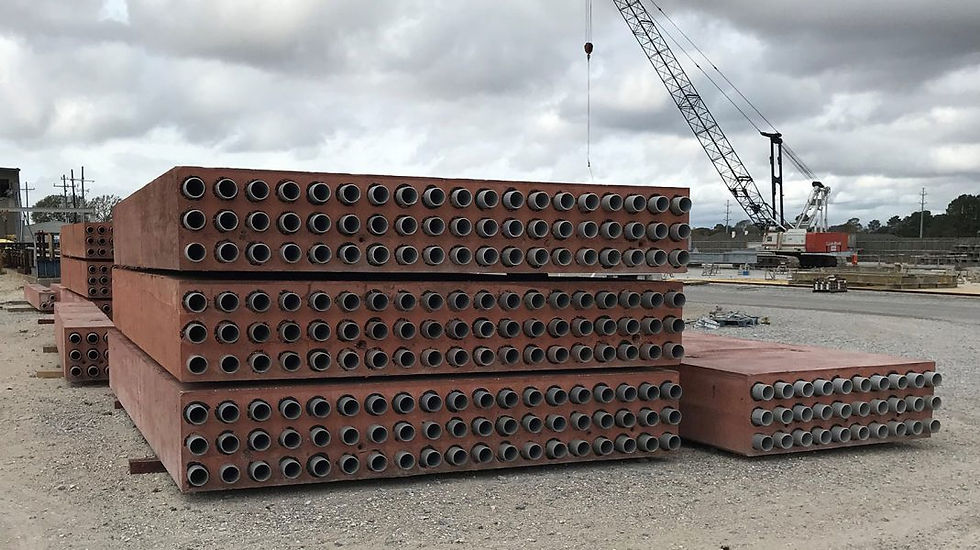
Precast concrete refers to concrete elements that are cast in a mold before being transported to a construction site. Unlike traditional concrete that is poured and cured directly on-site, precast concrete is manufactured off-site in a factory environment. This controlled environment allows for higher quality and more consistent results.
Some examples of precast concrete products include walls, floors, beams, columns, and stairs. These products are made in advance and delivered to the site where they are assembled, saving time and labor costs. Precast concrete is used for a wide variety of projects, from residential homes to large commercial buildings and bridges.
Why Choose Precast Concrete?
Durability and Strength
Precast concrete is known for its strength and long-lasting durability. Because it is produced in a controlled factory setting, it is easier to ensure that the product is made with the right materials and quality standards. Precast concrete can withstand harsh weather conditions, fire, and natural disasters, making it an excellent choice for buildings and infrastructure projects that need to endure for many years.
Faster Construction
One of the major advantages of precast concrete is that it speeds up the construction process. Since the precast components are made in advance, construction can proceed much faster. While the precast components are being produced in the factory, other parts of the construction site, such as foundation work, can also be underway. Once the precast elements are delivered, they can be quickly assembled, reducing the overall construction time. This efficiency is especially beneficial for large projects that need to be completed on a tight schedule.
Cost-Effective
Precast concrete may have a higher upfront cost compared to traditional methods, but it is still considered a cost-effective option in the long run. The reduced labor costs, faster construction time, and less waste make it a smart investment. Additionally, because precast concrete is more durable, there are fewer maintenance costs over the life of the building.
Flexibility in Design
Precast concrete is highly versatile and can be customized to meet specific design needs. Whether you need a decorative feature, an unusual shape, or special finishes, precast concrete can be tailored to fit your project’s requirements. Precast components come in a variety of sizes and shapes, and can be finished with textures, colors, and patterns that match the architectural style of the building.
Environmentally Friendly
Sustainability is becoming more important in the construction industry, and precast concrete is a great option for green building projects. Precast concrete is made using recycled materials, which helps reduce waste. It is also highly energy-efficient due to its thermal mass, which helps regulate indoor temperatures. Precast concrete companies are also increasingly adopting eco-friendly practices, such as reducing energy use during manufacturing and recycling old concrete.

The Role of Precast Concrete Companies
Precast concrete companies are responsible for designing, manufacturing, and supplying precast concrete products. These companies play an essential role in making sure that construction projects run smoothly and that the right materials are delivered on time.
1. Design Assistance
Precast concrete companies work closely with architects and engineers during the design phase of a project. They help determine the best precast components for the job and make sure they fit the project’s specifications. Precast concrete can be molded into virtually any shape or size, which gives architects and engineers a great deal of creative freedom. Precast companies also help ensure that the precast elements meet local building codes and safety standards.
2. High-Quality Manufacturing
Precast concrete is made in a factory under controlled conditions. This ensures that every product meets high quality standards. The manufacturing process is highly automated, which helps reduce errors and ensures consistent quality. The factory environment also allows for better control of factors such as temperature and curing time, which are essential for producing strong, durable concrete.
Precast concrete companies use advanced equipment and techniques to create precise molds, ensuring that the finished products fit perfectly when they arrive at the job site. The products are tested for quality before they are shipped out, ensuring that only the best materials are used in construction.
3. Logistics and Delivery
Once the precast concrete products are manufactured, they must be transported to the
construction site. Precast concrete companies manage the logistics of delivery, ensuring that the components are delivered on time and in good condition. Transportation can be a complex task because precast elements are often large and heavy. Specialized trucks and cranes are used to safely transport and lift the products into place on the construction site.
4. Installation Support
Precast concrete companies don’t just deliver the products; they often provide installation support as well. Many precast elements are heavy and require special equipment to install. Precast companies can assist with the installation process, ensuring that everything is positioned correctly and securely. This support can help prevent costly mistakes and ensure that the project stays on schedule.
Types of Precast Concrete Products
Precast concrete companies manufacture a wide range of products that are used in different parts of construction projects. Some of the most common precast concrete products include:
Precast Walls and Panels: These are often used for both structural and aesthetic purposes. Precast walls can be used for exterior and interior walls, and precast panels can be designed with different textures and finishes.
Precast Floors and Slabs: Precast concrete floors and slabs are often used in multi-story buildings and parking garages. They are strong, durable, and easy to install.
Precast Beams and Columns: These are important structural elements used to support buildings. Precast beams and columns are made to withstand heavy loads and provide stability to the structure.
Precast Stairs: Precast stairs are commonly used in residential and commercial buildings. They are quick to install and can be customized to match the design of the building.
Precast Curbs and Barriers: These are often used for roadways and highways. Precast curbs are durable and can be quickly installed to create safe boundaries for traffic.
Precast Drainage Systems: Precast concrete is commonly used for creating drainage systems in cities and roads. Precast stormwater drainage channels and catch basins are easy to install and long-lasting.
Benefits of Working with a Precast Concrete Company
Expertise and Experience: Precast concrete companies have years of experience in the industry and know how to produce high-quality products that meet the needs of different projects. They can provide valuable insights and advice during the planning and design phases of your project.
Customization: Precast concrete companies can work with architects and designers to create products that match the specific requirements of your project. Whether you need special finishes, unique shapes, or custom colors, precast concrete can be tailored to fit your vision.
Reliability: Precast concrete companies have a reputation for reliability. Since the precast components are made in a factory, the quality of the products is consistent and predictable. You can trust that the precast elements will be delivered on time and meet your project’s requirements.
Cost Savings: Although precast concrete may have a higher initial cost, it can save money in the long run. The reduced labor costs, faster construction times, and low maintenance costs make precast concrete a smart investment.
Challenges of Precast Concrete
While precast concrete offers many advantages, there are some challenges that precast concrete companies face:
Logistical Challenges: Transporting large precast elements to the construction site can be complicated and expensive. It requires specialized equipment and careful planning to ensure everything arrives safely and on time.
High Initial Investment: Setting up a precast concrete factory requires significant investment in equipment, molds, and skilled labor. While the investment pays off in the long run, it can be a barrier for smaller companies.
Design Flexibility: While precast concrete is highly versatile, certain designs may require custom molds, which can increase production time and costs.
Conclusion
Precast concrete companies play an important role in the construction industry by providing durable, cost-effective, and customizable solutions for a wide range of projects. Whether you are working on a residential, commercial, or industrial project, precast concrete can help speed up construction, reduce costs, and provide a high-quality finished product. By choosing to work with a precast concrete company, you are ensuring that your project will be completed with the best materials and expertise available.


Comments