Precast Solutions: A Smart and Modern Approach to Construction
The construction industry continues to grow and change every year. Builders now look for better ways to complete projects faster, safer, and with better quality. One of the most trusted methods today is precast solutions. These solutions help construction teams save time, reduce costs, and deliver strong and long-lasting structures.
Precast solutions involve making concrete components in a factory instead of building them completely at the construction site. Workers transport these ready-made components to the site and install them quickly. In this blog, we will explain what precast solutions are, their benefits, applications, and why they are becoming the preferred choice in modern construction.
What Are Precast Solutions?
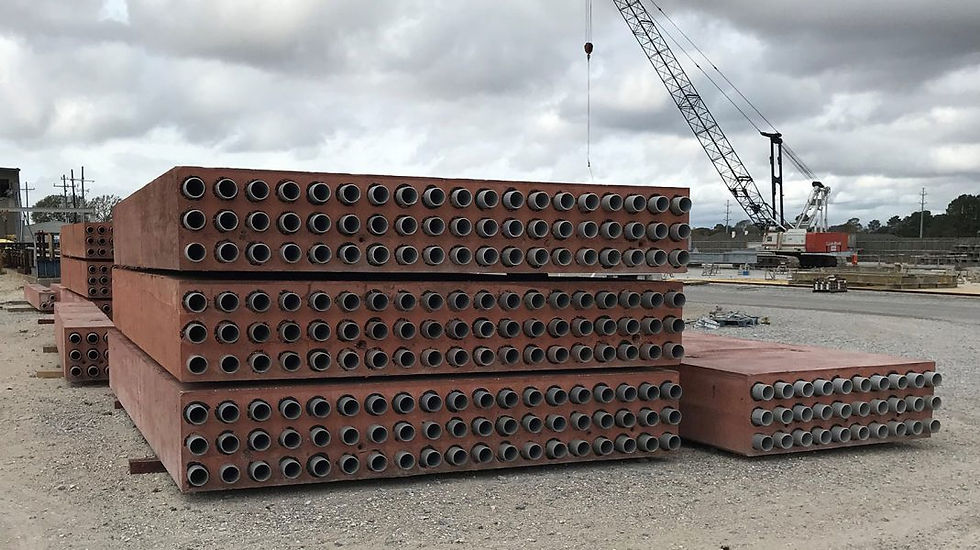
Precast solutions refer to construction products made from concrete in a controlled factory environment. Manufacturers pour concrete into molds, add steel reinforcement, and allow the concrete to cure properly. Once the components are ready, they deliver them to the construction site for installation.
These solutions include many concrete products such as walls, slabs, footings, beams, columns, and utility structures. Since production happens in a factory, the quality remains consistent, and the installation process becomes faster and more reliable.
Why Precast Solutions Are Important
Traditional construction methods often rely on on-site concrete pouring, which depends on weather conditions and skilled labor availability. Rain, cold temperatures, or poor workmanship can cause delays and quality issues.
Precast solutions solve these challenges by:
Reducing weather-related delays
Improving construction speed
Ensuring better quality control
Reducing on-site labor
These advantages make precast solutions a strong choice for many types of projects.
Key Benefits of Precast Solutions
1. Faster Project Completion
Speed is one of the biggest benefits of precast solutions. While workers prepare the construction site, factories produce precast components at the same time. Once delivered, installation happens quickly.
This approach shortens project timelines and helps builders meet deadlines.
2. High Strength and Durability
Manufacturers use high-quality concrete and steel reinforcement to create precast components. Controlled curing conditions ensure the concrete reaches its full strength.
These components resist cracking, weather damage, and heavy loads. Precast solutions provide long-lasting performance for both small and large projects.
3. Consistent Quality
Factory production ensures that every precast component meets design standards. Workers follow strict quality checks during mixing, pouring, and curing.
This consistency reduces errors and improves overall project reliability.
4. Reduced On-Site Labor and Risk
Precast solutions reduce the amount of work needed at the construction site. Workers spend less time forming, pouring, and curing concrete.
This reduces labor costs and improves job site safety by lowering exposure to construction hazards.
5. Cost Savings Over Time
Although precast solutions may cost more upfront, they often reduce overall project expenses. Faster installation, fewer delays, and reduced rework help control costs.
Long-lasting durability also reduces maintenance and replacement needs.
Common Types of Precast Solutions
Precast solutions cover a wide range of construction needs. Some common types include:
Precast Wall Panels
Used in residential, commercial, and industrial buildings for structural support and exterior finishes.
Precast Footings and Foundations
Provide strong base support for buildings, light poles, and utility structures.
Precast Beams and Columns
Support heavy loads in parking garages, warehouses, and large buildings.
Precast Slabs and Flooring
Create strong and smooth surfaces for floors, roads, and walkways.
Precast Utility Structures
Include manholes, vaults, pull boxes, and trench systems for underground utilities.
Applications of Precast Solutions
Precast solutions work well across many construction sectors.
Residential Construction
Homes and apartment buildings use precast walls, floors, and foundations to speed up construction.
Commercial Buildings
Office buildings, shopping centers, and hotels rely on precast solutions for durability and efficiency.
Industrial Projects
Factories and warehouses use precast structures to support heavy equipment and machinery.
Infrastructure Projects
Roads, bridges, drainage systems, and tunnels depend on precast components for strength and reliability.
Utility and Electrical Projects
Precast solutions support power distribution, lighting systems, and communication networks.
Installation Process of Precast Solutions
Installing precast solutions follows a simple and organized process:
Site Preparation – Workers prepare foundations and layout points.
Delivery – Precast components arrive ready to install.
Placement – Cranes or lifting equipment position the components.
Connection – Workers secure components using bolts, grout, or welding.
Inspection – Contractors check alignment and stability.
This process reduces construction time and improves accuracy.
Precast Solutions vs Traditional Construction
Precast Solutions
Faster construction
Controlled quality
Less site labor
Lower risk of delays
Traditional Construction
Slower due to curing time
Weather-dependent
Higher labor requirements
Greater chance of errors
For many projects, precast solutions offer a better alternative.
Environmental Benefits of Precast Solutions
Precast solutions support environmentally friendly construction. Factory production reduces material waste and improves efficiency. Workers use exact amounts of concrete and reinforcement.
Shorter construction times also reduce fuel use and emissions. The long life of precast components helps reduce resource consumption over time.
Custom Design and Flexibility
Precast solutions offer flexibility in design. Manufacturers can produce components in various shapes, sizes, and finishes. This allows architects and engineers to meet both structural and visual requirements.
Precast components also integrate easily with other building systems.
Why Choose a Professional Precast Solutions Provider?
Working with a professional precast solutions provider ensures quality and reliability. Experienced companies offer engineering support, customization, and timely delivery.
They help projects stay on schedule and meet safety standards.
Long-Term Performance and Maintenance
Precast solutions require minimal maintenance. Their strong concrete construction resists moisture, weather, and wear. Regular inspections help ensure long-term performance.
With proper installation, precast components can last for many years.
Final Thoughts
Precast solutions provide a smart, efficient, and reliable approach to modern construction. They offer faster installation, consistent quality, and long-term durability. From residential buildings to large infrastructure projects, precast solutions help deliver strong and successful results.
As construction demands continue to grow, precast solutions remain a trusted and future-ready choice. Choosing precast solutions helps builders save time, reduce costs, and build with confidence.


Comments