Duct Bank System: A Strong and Organized Solution for Underground Utilities
A duct bank system is one of the most important parts of modern underground utility installations. It provides protection, organization, and easy access for electrical and communication cables. Contractors, engineers, and utility companies use duct bank systems to ensure safety, reliability, and long-term performance. These systems are common in residential, commercial, and industrial projects because they improve efficiency and reduce future maintenance needs.
In this blog, we will explain what a duct bank system is, how it works, its components, benefits, types, installation process, and why it is essential for underground infrastructure.
What Is a Duct Bank System?
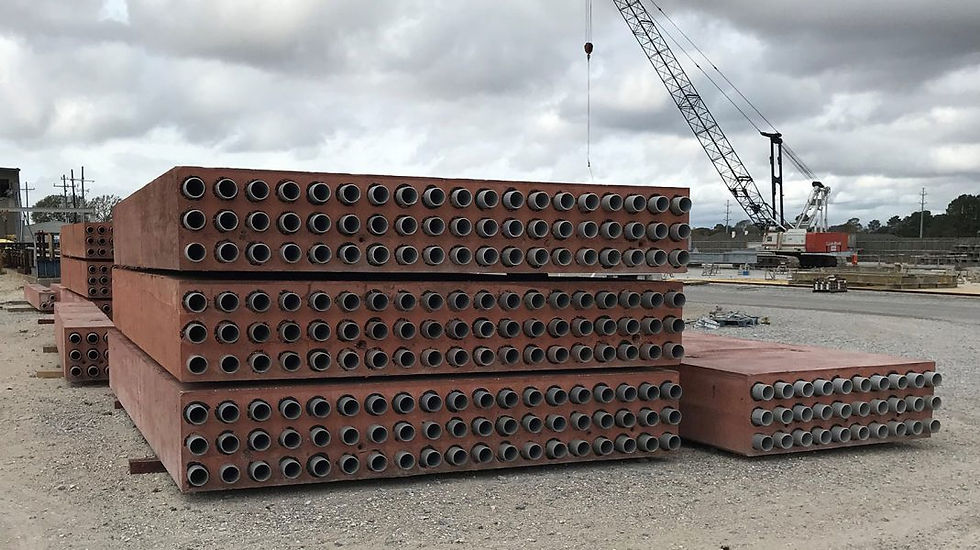
A duct bank system is a structured group of conduits arranged together and encased in concrete. These conduits carry electrical, communication, or utility cables underground. The concrete encasement protects the conduits and cables from physical damage, soil pressure, and environmental hazards.
The system keeps multiple cables organized in one compact structure. It also ensures cables are easy to identify, access, and maintain. Duct bank systems reduce clutter in underground installations and provide a neat, long-lasting solution for cable management.
Why a Duct Bank System Is Important
Underground cables face many risks. Soil movement, heavy equipment, traffic, moisture, and accidental excavation can damage them. A duct bank system protects cables from these hazards. The concrete encasement provides structural strength, while the conduits protect individual cables.
Duct bank systems also improve safety. They separate different utility services, prevent accidental damage, and reduce electrical hazards. With access points such as pull boxes and manholes, duct bank systems allow workers to inspect, maintain, or replace cables without disturbing the entire system.

How a Duct Bank System Works
A duct bank system works by arranging conduits in a planned layout. Each conduit carries a specific type of cable. Spacers keep conduits evenly spaced, ensuring proper concrete coverage and heat dissipation. Workers pour concrete around the conduits, forming a solid structure that protects cables and keeps them aligned.
Cables run through the conduits inside the duct bank. Access points allow workers to pull cables, make connections, or replace damaged cables without digging new trenches. This design improves efficiency, reduces risks, and extends the life of underground utilities.
Components of a Duct Bank System
A duct bank system includes several key components:
Conduits
Conduits are pipes made of PVC, HDPE, or steel. They carry and protect the cables from physical and environmental damage.
Spacers
Spacers maintain the correct distance between conduits during installation and concrete pouring. Proper spacing improves heat dissipation and reduces stress on cables.
Concrete Encasement
Concrete surrounds the conduits and provides structural strength. It protects the conduits from soil pressure, traffic loads, and environmental factors.
Pull Boxes and Manholes
Pull boxes and manholes serve as access points. Workers can pull, inspect, or repair cables easily without damaging other parts of the duct bank.
Each component plays a vital role in ensuring the performance, safety, and longevity of the duct bank system.
Benefits of Using a Duct Bank System
A duct bank system offers many advantages over direct burial or unprotected conduits:
1. Cable Protection
Concrete encasement and conduits shield cables from physical damage, moisture, and corrosion.
2. Organized Layout
Multiple cables can run neatly in one structure, making identification and maintenance easier.
3. Long Service Life
Concrete duct banks can last for decades with minimal maintenance, providing long-term reliability.
4. Safety Improvement
The system reduces the risk of electrical faults, accidents, and cable damage during future construction.
5. Future Expansion
Extra conduits in the duct bank allow easy upgrades or additions without major excavation.
6. Cost Efficiency
Although duct banks may cost more initially, they save money over time by reducing repairs and maintenance.
Types of Duct Bank Systems
Duct bank systems vary depending on project requirements:
Electrical Duct Banks
These systems carry electrical power cables for distribution networks, street lighting, and industrial facilities.
Communication Duct Banks
They house fiber optic, telephone, and data cables for communication networks.
Utility Duct Banks
These systems combine multiple utility services, such as power, communication, and signaling, in one duct bank.
Traffic-Rated Duct Banks
Reinforced duct banks designed to handle vehicle loads in roads, intersections, and industrial sites.
Selecting the right type ensures long-term performance and safety.
Duct Bank System Installation Process
Proper installation is critical for duct bank performance:
1. Planning and Design
Engineers determine the layout, conduit size, spacing, and depth based on cable requirements and site conditions.
2. Excavation
Workers dig trenches to the required depth and width while ensuring a stable base.
3. Conduit Placement
Conduits are placed in the trench with spacers to maintain proper alignment.
4. Concrete Pouring
Concrete is poured to fully encase the conduits and provide structural strength.
5. Curing
The concrete cures for several days to reach full strength before cable installation.
6. Cable Installation
Cables are pulled through conduits using pull boxes and manholes, completing the system.
Following this process ensures durability, safety, and long-term reliability.
Duct Bank System vs Direct Burial
Direct burial places cables directly in the soil without protection. While it costs less upfront, it exposes cables to damage from soil movement, moisture, and traffic.
A duct bank system provides better safety, long-term durability, and easier maintenance. For critical utilities, duct banks are always the preferred choice.
Applications of Duct Bank Systems
Duct bank systems are used in various projects:
Power distribution networks
Street lighting systems
Traffic signal systems
Commercial and residential developments
Industrial facilities
Telecommunication networks
Their versatility and protection make them essential for modern infrastructure.
Maintenance and Longevity
Duct bank systems require minimal maintenance. Regular inspection of access points ensures that cables remain functional. The concrete encasement protects conduits from environmental damage, so the system can last for decades.
Good design, proper installation, and minimal maintenance make duct banks a cost-effective solution in the long run.
Environmental Benefits
Duct bank systems reduce environmental impact by minimizing future excavation. The long-lasting materials reduce waste and replacement needs. Organized underground utilities also lower the risk of accidental damage during construction.
Conclusion
A duct bank system provides a strong, organized, and durable solution for underground utility installations. It protects cables, simplifies maintenance, supports future expansion, and ensures safety. With proper design, construction, and maintenance, duct bank systems deliver long-term reliability for residential, commercial, and industrial projects.
Because of their strength, durability, and efficiency, duct bank systems remain a trusted solution for modern infrastructure. Any project that involves underground utilities benefits greatly from installing a well-designed duct bank system.


Comments